Lake Manyara, Lake Natron, Serengeti, Ngorongoro National park and Tarangire.
Safaris
9 Days
384 views
Starting from
$2,680
per personOverview
A safari through the northern circuit of Tanzania reveals some of the most spectacular natural wonders on the continent. Among these destinations are Lake Manyara National Park, Lake Natron, Serengeti National Park, Ngorongoro Conservation Area, and Tarangire National Park. Together they form an extraordinary safari route where visitors encounter breathtaking scenery, diverse ecosystems, and some of the richest wildlife populations on Earth. With the guidance and expertise of Kamisaa Adventure, travelers can explore these destinations in depth while enjoying professional service, comfort, and authentic Tanzanian hospitality.
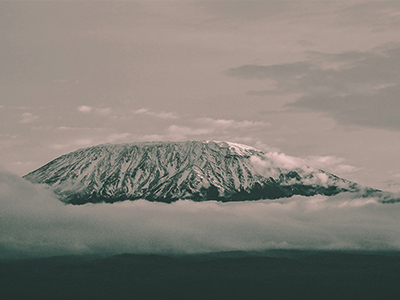
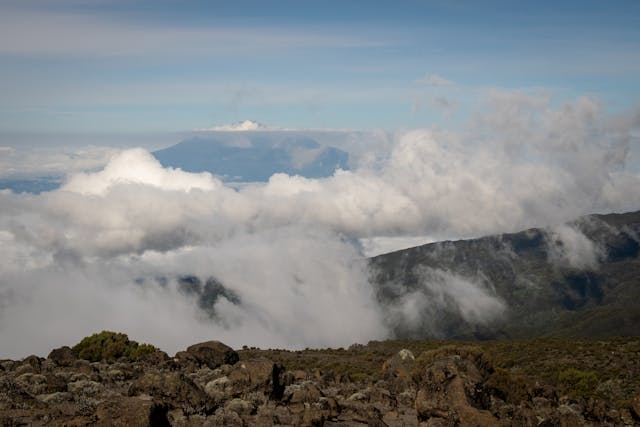
The adventure often begins in the northern safari gateway of Arusha, a vibrant town located between the towering peaks of Mount Kilimanjaro and Mount Meru. Arusha serves as the starting point for many safaris because of its proximity to the famous national parks that make up Tanzania's renowned northern circuit. From here, visitors set out to explore landscapes that change dramatically from lush forests and alkaline lakes to endless plains and volcanic highlands.
One of the most scenic destinations in northern Tanzania is Lake Manyara National Park. Nestled along the dramatic escarpment of the Great Rift Valley, the park is known for its remarkable ecological diversity. Despite its relatively small size, Lake Manyara supports an impressive variety of wildlife habitats including groundwater forests, open savannahs, acacia woodlands, and marshlands along the lake's shoreline. These ecosystems support large populations of animals such as elephants, giraffes, buffaloes, zebras, and various antelope species. The park is also famous for its tree-climbing lions, a rare behavior that fascinates wildlife enthusiasts and photographers. Lake Manyara itself is a shallow alkaline lake that attracts thousands of flamingos and other waterbirds, creating spectacular pink hues along the water's edge. Birdwatchers find the park particularly rewarding, as it hosts hundreds of bird species ranging from pelicans and storks to colorful kingfishers and hornbills.
Further north lies the remote and dramatic landscape of Lake Natron, one of Tanzania's most unique and mysterious natural environments. Situated near the Kenyan border, Lake Natron is surrounded by volcanic mountains and vast, open plains that give the region a wild and untouched atmosphere. The lake's highly alkaline waters create striking red and orange colors caused by mineral deposits and microorganisms. These conditions make Lake Natron one of the most important breeding grounds for lesser flamingos in East Africa. Each year, thousands of flamingos gather here to nest and raise their chicks in the shallow waters, protected from predators by the lake's harsh chemical environment. Towering above the region is Ol Doinyo Lengai, an active volcano revered by the Maasai people as the 'Mountain of God.' The surrounding landscape offers remarkable opportunities for cultural encounters with Maasai communities as well as guided walks to waterfalls and viewpoints that reveal the raw beauty of the Rift Valley.
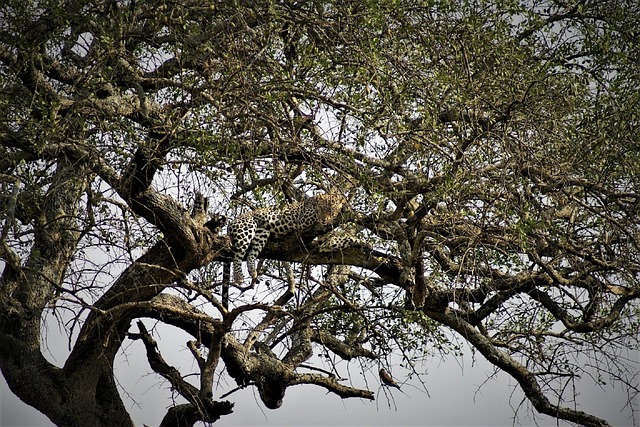
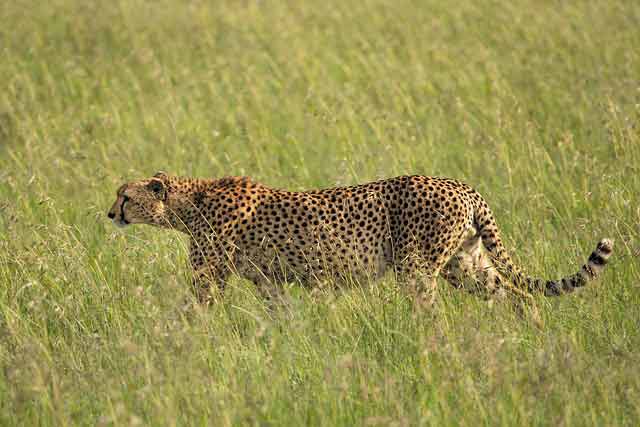
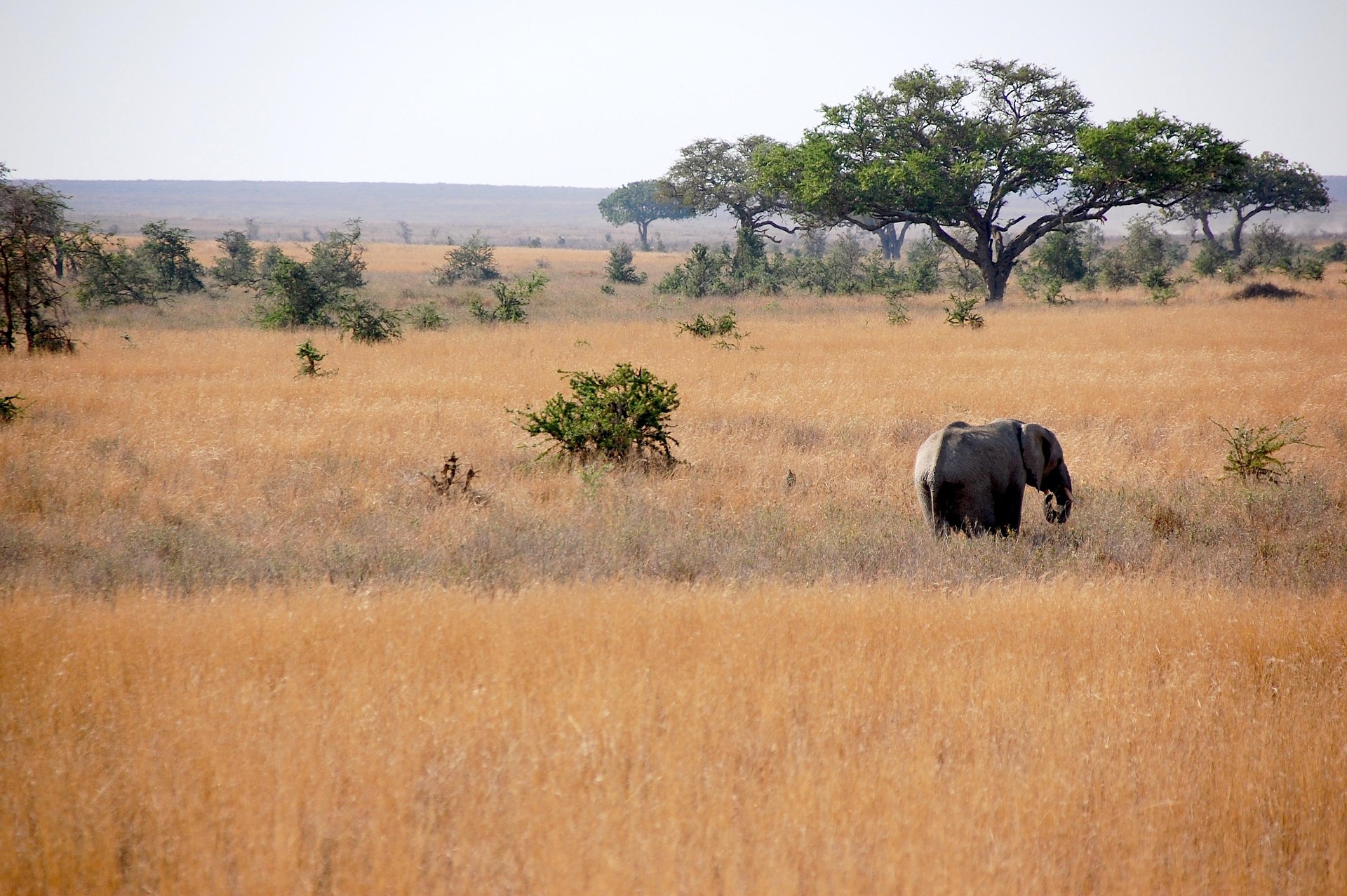
No safari in Tanzania would be complete without visiting the legendary Serengeti National Park, one of the most famous wildlife reserves in the world. The Serengeti is known for its vast savannah plains that stretch endlessly to the horizon, creating the classic African safari landscape that has captured the imagination of travelers for generations. The park hosts an extraordinary concentration of wildlife, including lions, leopards, cheetahs, elephants, giraffes, and large herds of buffalo. It is particularly renowned for the spectacular Great Wildebeest Migration, an annual natural phenomenon in which more than two million wildebeests, zebras, and gazelles move across the plains in search of fresh grazing and water. This dramatic movement of animals attracts predators and creates some of the most thrilling wildlife encounters on the planet. Visitors to the Serengeti often witness powerful scenes of survival as predators hunt and herds move together across the open grasslands. Beyond its wildlife, the Serengeti's golden sunsets, scattered acacia trees, and rocky kopjes create breathtaking scenery that embodies the spirit of Africa.
Adjacent to the Serengeti lies the magnificent Ngorongoro Conservation Area, a place where wildlife conservation and traditional Maasai culture coexist within a unique protected landscape. At the heart of this area lies the famous Ngorongoro Crater, the largest intact volcanic caldera in the world. Formed millions of years ago when a massive volcano collapsed, the crater now forms a natural enclosure that shelters an extraordinary density of wildlife. The crater floor is home to grasslands, swamps, forests, and a central soda lake, all of which support a wide variety of animal species. Visitors frequently encounter lions, elephants, hyenas, zebras, wildebeests, and hippos in a relatively small area, making wildlife viewing particularly rewarding. The Ngorongoro Crater is also one of the best places in Africa to observe the endangered Black Rhinoceros in its natural habitat. Beyond its wildlife, the conservation area is also rich in human history. Nearby archaeological sites such as Olduvai Gorge have provided important discoveries about early human evolution, earning the region recognition as one of the most significant prehistoric sites in the world.
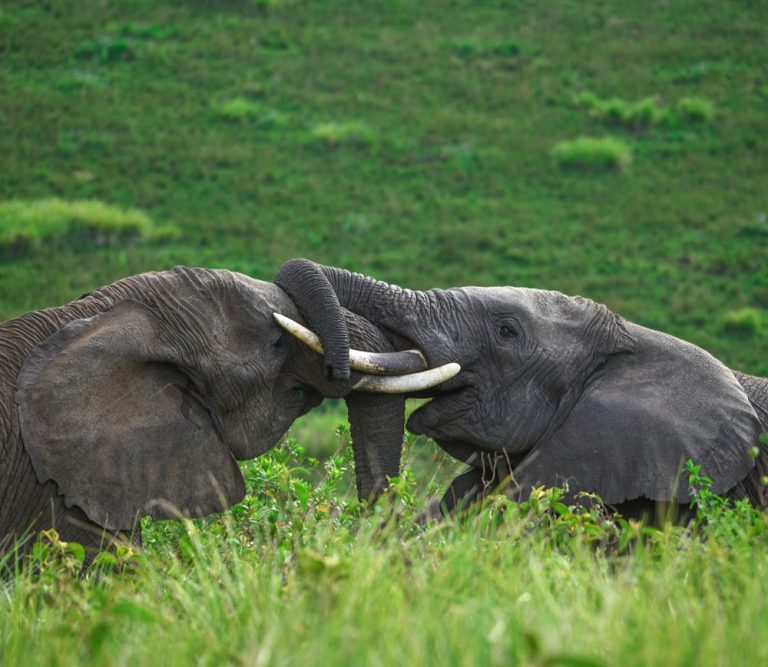
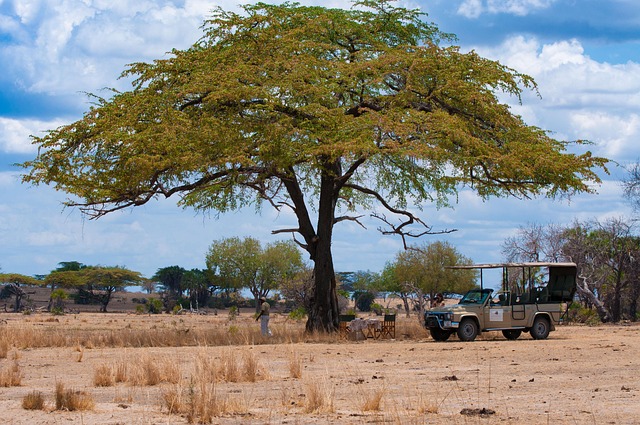
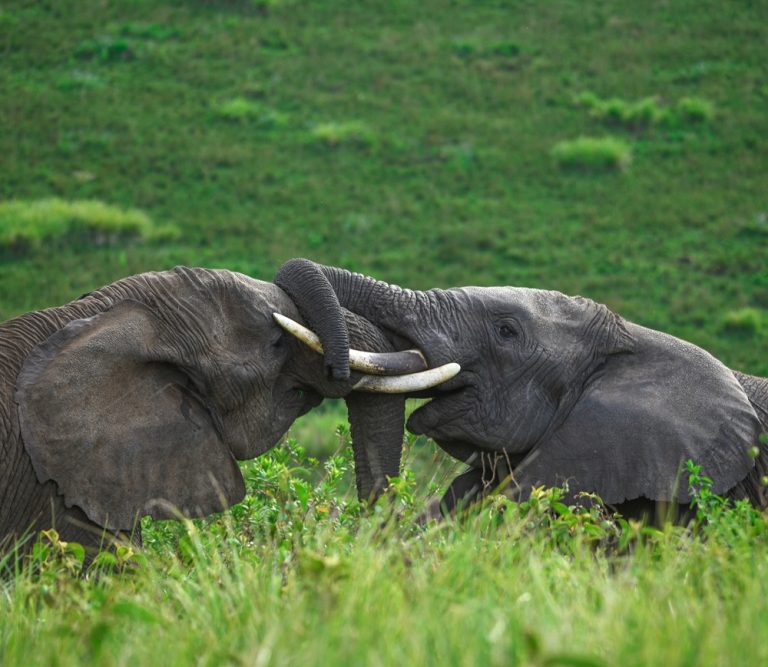
Another remarkable destination within Tanzania's northern safari circuit is Tarangire National Park, a hidden gem known for its towering baobab trees and impressive elephant populations. The park's landscape is defined by rolling savannah, seasonal wetlands, and the life-giving Tarangire River, which serves as the primary water source during the dry season. As water becomes scarce in surrounding areas, thousands of animals migrate to Tarangire, creating dramatic wildlife concentrations along the riverbanks. Large herds of elephants are commonly seen digging in dry riverbeds or moving gracefully through the baobab-dotted plains. The park also supports lions, leopards, cheetahs, giraffes, and numerous species of antelope. Tarangire is particularly appealing to bird enthusiasts, as it hosts more than five hundred bird species including colorful bee-eaters, hornbills, and ostriches. Compared to some of Tanzania's more famous parks, Tarangire offers a quieter and more intimate safari experience while still providing exceptional wildlife encounters.
Exploring these extraordinary destinations with Kamisaa Adventure allows travelers to experience the very best of Tanzania's natural heritage. The company is dedicated to providing high-quality safari experiences guided by knowledgeable professionals who understand the ecosystems, wildlife behavior, and cultural traditions of the region. By combining expert guiding, carefully selected accommodations, and well-designed safari routes, Kamisaa Adventure ensures that every journey is both comfortable and deeply immersive.
A safari through Tanzania's northern circuit reveals the incredible diversity that makes this country one of Africa's premier wildlife destinations. From the lush forests and bird-filled shores of Lake Manyara to the dramatic volcanic landscapes of Lake Natron, from the endless wildlife-filled plains of the Serengeti to the breathtaking natural amphitheater of the Ngorongoro Crater and the baobab-studded savannahs of Tarangire, each destination offers a unique perspective on the beauty of the African wilderness. Together they create a safari experience that is rich in adventure, discovery, and unforgettable moments in nature.
Through its commitment to professionalism, sustainability, and authentic travel experiences, Kamisaa Adventure invites visitors from around the world to discover the wonders of Tanzania and create memories that will last a lifetime.
The adventure often begins in the northern safari gateway of Arusha, a vibrant town located between the towering peaks of Mount Kilimanjaro and Mount Meru. Arusha serves as the starting point for many safaris because of its proximity to the famous national parks that make up Tanzania's renowned northern circuit. From here, visitors set out to explore landscapes that change dramatically from lush forests and alkaline lakes to endless plains and volcanic highlands.
One of the most scenic destinations in northern Tanzania is Lake Manyara National Park. Nestled along the dramatic escarpment of the Great Rift Valley, the park is known for its remarkable ecological diversity. Despite its relatively small size, Lake Manyara supports an impressive variety of wildlife habitats including groundwater forests, open savannahs, acacia woodlands, and marshlands along the lake's shoreline. These ecosystems support large populations of animals such as elephants, giraffes, buffaloes, zebras, and various antelope species. The park is also famous for its tree-climbing lions, a rare behavior that fascinates wildlife enthusiasts and photographers. Lake Manyara itself is a shallow alkaline lake that attracts thousands of flamingos and other waterbirds, creating spectacular pink hues along the water's edge. Birdwatchers find the park particularly rewarding, as it hosts hundreds of bird species ranging from pelicans and storks to colorful kingfishers and hornbills.
Further north lies the remote and dramatic landscape of Lake Natron, one of Tanzania's most unique and mysterious natural environments. Situated near the Kenyan border, Lake Natron is surrounded by volcanic mountains and vast, open plains that give the region a wild and untouched atmosphere. The lake's highly alkaline waters create striking red and orange colors caused by mineral deposits and microorganisms. These conditions make Lake Natron one of the most important breeding grounds for lesser flamingos in East Africa. Each year, thousands of flamingos gather here to nest and raise their chicks in the shallow waters, protected from predators by the lake's harsh chemical environment. Towering above the region is Ol Doinyo Lengai, an active volcano revered by the Maasai people as the 'Mountain of God.' The surrounding landscape offers remarkable opportunities for cultural encounters with Maasai communities as well as guided walks to waterfalls and viewpoints that reveal the raw beauty of the Rift Valley.
No safari in Tanzania would be complete without visiting the legendary Serengeti National Park, one of the most famous wildlife reserves in the world. The Serengeti is known for its vast savannah plains that stretch endlessly to the horizon, creating the classic African safari landscape that has captured the imagination of travelers for generations. The park hosts an extraordinary concentration of wildlife, including lions, leopards, cheetahs, elephants, giraffes, and large herds of buffalo. It is particularly renowned for the spectacular Great Wildebeest Migration, an annual natural phenomenon in which more than two million wildebeests, zebras, and gazelles move across the plains in search of fresh grazing and water. This dramatic movement of animals attracts predators and creates some of the most thrilling wildlife encounters on the planet. Visitors to the Serengeti often witness powerful scenes of survival as predators hunt and herds move together across the open grasslands. Beyond its wildlife, the Serengeti's golden sunsets, scattered acacia trees, and rocky kopjes create breathtaking scenery that embodies the spirit of Africa.
Adjacent to the Serengeti lies the magnificent Ngorongoro Conservation Area, a place where wildlife conservation and traditional Maasai culture coexist within a unique protected landscape. At the heart of this area lies the famous Ngorongoro Crater, the largest intact volcanic caldera in the world. Formed millions of years ago when a massive volcano collapsed, the crater now forms a natural enclosure that shelters an extraordinary density of wildlife. The crater floor is home to grasslands, swamps, forests, and a central soda lake, all of which support a wide variety of animal species. Visitors frequently encounter lions, elephants, hyenas, zebras, wildebeests, and hippos in a relatively small area, making wildlife viewing particularly rewarding. The Ngorongoro Crater is also one of the best places in Africa to observe the endangered Black Rhinoceros in its natural habitat. Beyond its wildlife, the conservation area is also rich in human history. Nearby archaeological sites such as Olduvai Gorge have provided important discoveries about early human evolution, earning the region recognition as one of the most significant prehistoric sites in the world.
Another remarkable destination within Tanzania's northern safari circuit is Tarangire National Park, a hidden gem known for its towering baobab trees and impressive elephant populations. The park's landscape is defined by rolling savannah, seasonal wetlands, and the life-giving Tarangire River, which serves as the primary water source during the dry season. As water becomes scarce in surrounding areas, thousands of animals migrate to Tarangire, creating dramatic wildlife concentrations along the riverbanks. Large herds of elephants are commonly seen digging in dry riverbeds or moving gracefully through the baobab-dotted plains. The park also supports lions, leopards, cheetahs, giraffes, and numerous species of antelope. Tarangire is particularly appealing to bird enthusiasts, as it hosts more than five hundred bird species including colorful bee-eaters, hornbills, and ostriches. Compared to some of Tanzania's more famous parks, Tarangire offers a quieter and more intimate safari experience while still providing exceptional wildlife encounters.
Exploring these extraordinary destinations with Kamisaa Adventure allows travelers to experience the very best of Tanzania's natural heritage. The company is dedicated to providing high-quality safari experiences guided by knowledgeable professionals who understand the ecosystems, wildlife behavior, and cultural traditions of the region. By combining expert guiding, carefully selected accommodations, and well-designed safari routes, Kamisaa Adventure ensures that every journey is both comfortable and deeply immersive.
A safari through Tanzania's northern circuit reveals the incredible diversity that makes this country one of Africa's premier wildlife destinations. From the lush forests and bird-filled shores of Lake Manyara to the dramatic volcanic landscapes of Lake Natron, from the endless wildlife-filled plains of the Serengeti to the breathtaking natural amphitheater of the Ngorongoro Crater and the baobab-studded savannahs of Tarangire, each destination offers a unique perspective on the beauty of the African wilderness. Together they create a safari experience that is rich in adventure, discovery, and unforgettable moments in nature.
Through its commitment to professionalism, sustainability, and authentic travel experiences, Kamisaa Adventure invites visitors from around the world to discover the wonders of Tanzania and create memories that will last a lifetime.
Frequently Asked Questions
Why choose a 9-day safari?
9 days allows the most relaxed pace with 2+ days in Serengeti, plus Lake Natron (unique soda lake with flamingos), Lake Manyara, and Ngorongoro Crater.
Asked by Admin May 27, 2026
What makes Lake Natron worth visiting?
Lake Natron is the most important breeding ground for lesser flamingos (2.5 million). The red soda lake, waterfalls, and volcanic landscapes are spectacular.
Asked by Admin May 27, 2026
Can we see the Great Migration on this safari?
Yes! With 2+ days in Serengeti, you have excellent chances. December-April: southern Serengeti (Ndutu). June-October: western or northern Serengeti.
Asked by Admin May 27, 2026
Have a Question?
Ask us anything about this tour. Our travel experts will answer your questions promptly.